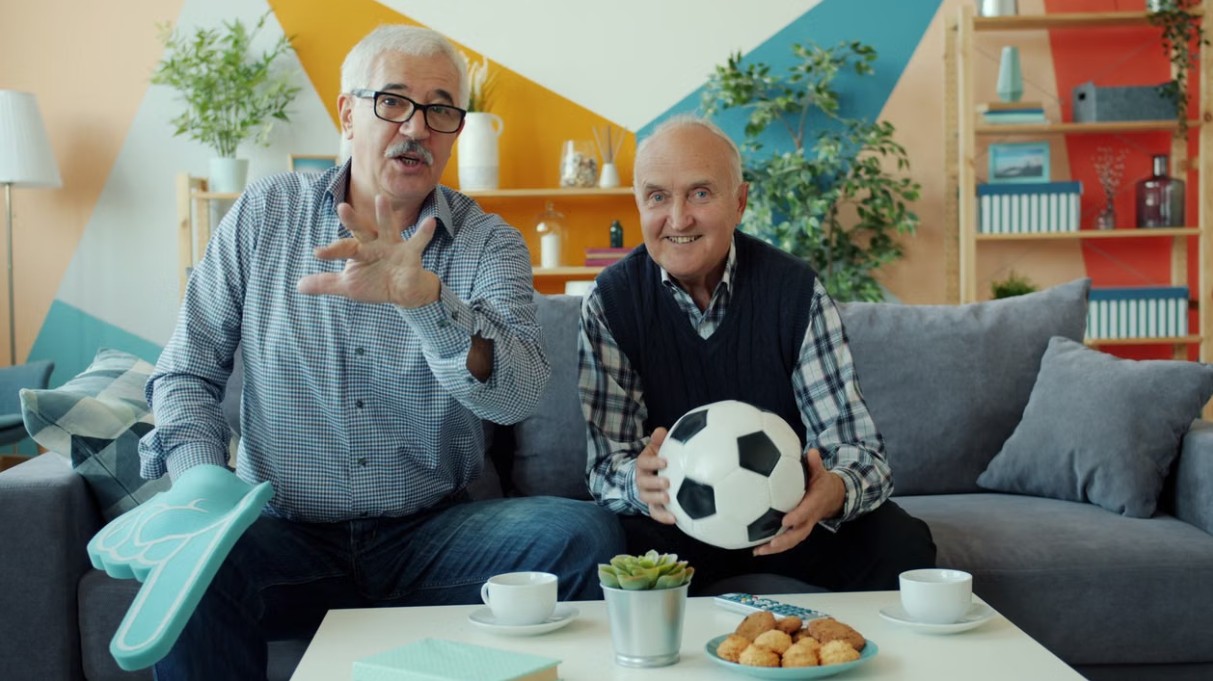
Modern residential design has evolved significantly to meet the changing needs of aging adults. Today’s living environments are designed with a greater emphasis on comfort, accessibility, safety, and long-term independence. Rather than focusing solely on aesthetics, architects and community planners increasingly prioritize features that help older adults maintain active and fulfilling lifestyles while reducing everyday challenges.
As people live longer and place greater value on aging comfortably, residential design has become an important factor in supporting physical well-being, social engagement, and overall quality of life. Thoughtfully planned living spaces can help residents remain confident and independent while providing access to the conveniences and support systems that encourage long-term wellness. Several key design principles illustrate how modern residential environments are helping aging adults thrive.
Accessible Layouts Promote Independence
One of the most important ways modern residential design supports aging adults is through improved accessibility. Living spaces that are easier to navigate allow residents to maintain independence and perform everyday activities with greater confidence.
Open floor plans have become increasingly popular because they eliminate unnecessary barriers and create smoother movement throughout the home. Wider doorways, spacious hallways, and step-free entryways help reduce obstacles while accommodating mobility aids when needed. These features enable residents to move comfortably throughout their environment without feeling restricted.
Accessibility-focused design also extends to kitchens, bathrooms, and storage areas. Features such as lower countertops, easy-to-reach cabinets, walk-in showers, and strategically placed lighting contribute to a more functional living space. These practical improvements help older adults continue managing daily routines with less physical strain.
Many modern residential communities recognize that accessibility is not only about addressing current needs but also about anticipating future changes. By incorporating adaptable design elements, living spaces can continue supporting residents as their lifestyles and mobility requirements evolve over time.
Safety Features Enhance Confidence and Comfort
Safety remains a top priority in residential design for aging adults. Modern environments increasingly incorporate features that help reduce the risk of accidents while creating a more secure living experience.
Proper lighting is one of the most effective safety enhancements. Well-lit hallways, entrances, stairways, and common areas improve visibility and help residents move confidently throughout the property. Motion-activated lighting systems can provide additional convenience by automatically illuminating pathways when needed.
Flooring choices also play a critical role. Slip-resistant surfaces and even floor transitions help minimize tripping hazards. Bathrooms often include features such as grab bars, walk-in showers, and seating options that contribute to safer daily routines.
In addition to physical safety measures, many residential communities integrate advanced technology to support resident well-being. Emergency response systems, secure entry points, and monitoring features help provide peace of mind for both residents and their families.
These design strategies create an environment where aging adults can focus less on potential risks and more on enjoying their daily activities. A greater sense of security often contributes directly to improved confidence and overall quality of life.
Community Spaces Encourage Social Engagement
Modern residential design increasingly recognizes the importance of social well-being. While personal living spaces are essential, thoughtfully designed community areas help residents build relationships and remain actively engaged with others.
Shared gathering spaces provide opportunities for residents to interact, participate in events, and develop meaningful connections. Comfortable lounges, outdoor patios, walking paths, fitness centers, libraries, and activity rooms all contribute to a more socially connected environment.
Communities such as Discovery Commons Cypress Point often emphasize the value of common areas that promote engagement and interaction among residents. Well-designed spaces encourage participation in group activities while also providing comfortable settings for informal conversations and social gatherings.
Social engagement has been linked to numerous benefits, including improved emotional well-being, stronger community connections, and greater overall satisfaction. Residential environments that support regular interaction help create a sense of belonging that extends beyond individual living units.
By incorporating inviting communal spaces, modern residential design fosters stronger relationships and encourages residents to remain active members of their community.
Wellness-Focused Design Supports Healthy Living
Another important aspect of modern residential design is the growing focus on wellness. Communities and residences are increasingly being planned with features that encourage physical activity, mental stimulation, and overall health.
Fitness facilities, walking trails, landscaped outdoor spaces, and recreation areas provide convenient opportunities for residents to stay active. Access to nature has also become a significant design consideration because outdoor environments can contribute to relaxation, stress reduction, and emotional well-being.
Indoor environments are being designed to promote comfort and health through improved ventilation, natural lighting, and thoughtful use of space. Large windows, open common areas, and comfortable gathering places help create a welcoming atmosphere that supports both physical and emotional wellness.
Many modern residential settings also incorporate spaces dedicated to educational programs, creative activities, and lifelong learning opportunities. These environments encourage residents to continue exploring interests, developing new skills, and engaging with the world around them.
A wellness-focused approach recognizes that healthy aging involves more than medical care alone. It involves creating environments that support active lifestyles, personal growth, and meaningful daily experiences.
Adaptability Helps Meet Changing Needs
One of the defining characteristics of modern residential design is adaptability. Aging adults often have changing needs over time, and flexible environments help ensure that living spaces remain functional and comfortable throughout different stages of life.
Adaptable design may include adjustable features, multipurpose rooms, flexible furniture arrangements, and layouts that can accommodate future modifications if necessary. This flexibility allows residents to remain in familiar surroundings while responding to changing circumstances.
Adaptable environments reduce the need for major relocations and help preserve continuity in daily life. Residents often appreciate knowing that their home can continue supporting them as their needs evolve.
This forward-thinking approach benefits both current and future residents. Communities that prioritize adaptability are often better prepared to meet the diverse needs of their population while maintaining a high standard of living.
By planning for long-term functionality, modern residential design supports stability, independence, and lasting comfort.
Conclusion
Modern residential design supports aging adults through accessible layouts, enhanced safety features, socially engaging community spaces, wellness-focused environments, and adaptable living arrangements. These design principles work together to create settings that promote independence, comfort, and overall well-being. As communities continue to recognize the importance of thoughtful planning, residential environments are becoming increasingly effective at supporting active and fulfilling lifestyles for older adults. By prioritizing both current needs and future flexibility, modern design helps create places where aging adults can live with confidence, connection, and a strong sense of purpose.