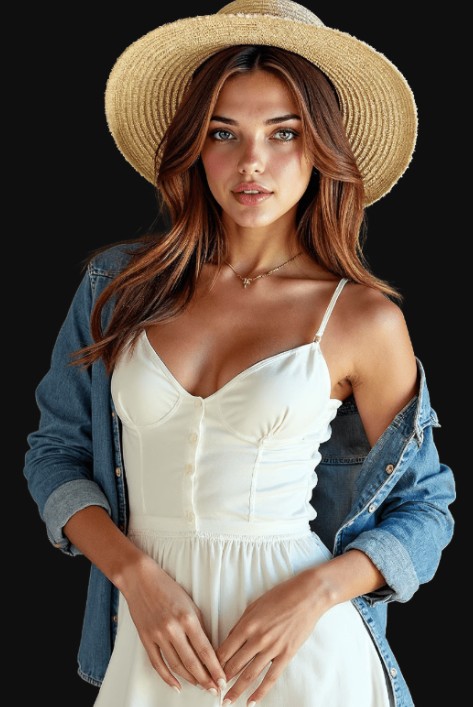
Not long ago, finding the “right” picture online meant scrolling.
A cute profile photo. A moody wallpaper. A stylish girl image for a status update. A soft romantic picture that somehow matched your mood better than anything you could say out loud. People saved these images, shared them, used them as DPs, sent them in chats, kept them in folders with names they probably forgot about.
That was the old internet photo habit: search until something feels close enough.
But “close enough” is starting to feel outdated.
Now people want images that match the exact picture in their head. Not just a random wallpaper someone else has already downloaded a thousand times. They want a specific mood, a specific look, a specific fantasy. Maybe soft lighting and a shy smile. Maybe a glamorous woman in a neon city. Maybe a romantic digital companion who looks like she belongs in a movie scene that never existed.
This is where AI girlfriend generators have found their place.
They sit right between photo culture, fantasy, personalization, and adult digital entertainment. And whether people find that exciting, strange, or a little bit of both, one thing is clear: online images are becoming less about finding and more about creating.
Why ready-made photos no longer feel enough
There is nothing wrong with a good wallpaper. Sometimes you just need something pretty for your phone screen. A clean portrait. A romantic image. A stylish DP that says the right thing without actually saying anything.
But ready-made images have limits.
They are shared by everyone. They rarely match the exact style you imagined. You might find the right face but the wrong background, the right mood but the wrong outfit, the right lighting but a completely different vibe. So you keep scrolling, hoping the internet somehow guesses what you want.
AI changes that habit.
Instead of searching for “stylish girl photo” and settling for whatever appears, a user can create a fictional character with a more precise look: long dark hair, golden-hour lighting, black dress, rooftop city view, soft confident expression. Or a dreamy romantic portrait with warm colors and a cinematic feel. Or a fantasy companion who looks completely invented, not copied from anyone real.
That is the appeal. Control.
Not control over another person. Control over the image, the mood, the aesthetic, the fantasy.
The new appeal of fictional AI girlfriends
An AI girlfriend image is not just a random pretty picture. At least, it should not be.
The better versions feel like character concepts. There is a look, yes, but also an atmosphere. You can imagine a voice, a personality, a setting. Maybe she is playful and bright, with café lights behind her. Maybe she is elegant, quiet, almost mysterious. Maybe she looks like a futuristic muse from a neon-lit city. Maybe she belongs in a romantic anime universe or a glossy fashion shoot.
That is why people are drawn to these tools. They let users make something that feels personal without needing photography skills, editing software, models, or design experience.
For adults who want to explore fictional fantasy visuals, platforms that let users generate AI girlfriend porn belong to this broader shift toward personalized digital entertainment. The important part is that the character should be fictional. Built from imagination. Not based on a real person who never agreed to be involved.
That line matters more than anything else.
Fiction is where the freedom is
Some people misunderstand AI image tools. They think the most exciting thing is copying reality.
It is not.
The real fun is invention.
Why copy someone from real life when you can create a character who could only exist in your imagination? A cyberpunk girlfriend under pink streetlights. A soft romantic muse in a rain-soaked window scene. A glamorous fantasy woman in a luxury hotel room. A playful anime-inspired character with a ridiculous amount of charm. A digital companion with a whole mood around her.
Fiction gives users more space. It keeps the experience safer. It avoids the ethical mess of using real people’s faces. And honestly, it usually makes the image more interesting.
Real-person imitation can become creepy very quickly. Celebrities, influencers, ex-partners, classmates, coworkers — none of them should be treated like raw material for someone else’s fantasy. A public photo does not mean public permission.
Fictional characters solve that problem. They let the user explore fantasy without stealing someone’s identity.
From DP culture to custom fantasy images
The internet has always had image rituals.
People change their profile picture after a breakup. They save attitude photos when they are in a certain mood. They use romantic wallpapers when they are feeling soft, dark aesthetic images when they are feeling dramatic, and cute couple pictures when they want to post something without explaining too much.
Photos have always helped people express what they cannot quite put into words.
AI does not replace that habit. It makes it more personal.
Instead of choosing from the same gallery everyone else sees, a user can now build a mood from scratch. That is a big shift for sites and audiences used to wallpapers, DPs, stylish photos, girls’ pictures, and visual collections. The old model was: here is a collection, pick one. The new model is: describe what you want, and make it yours.
That shift will probably shape the next generation of image platforms.
Old image culture vs AI image culture
| Traditional online photos | AI-generated fantasy photos |
| Search and download | Describe and create |
| Same image used by many people | More personal, one-of-a-kind visuals |
| Limited control over style | More control over mood, outfit, setting and look |
| Mostly passive browsing | Interactive creation |
| Existing photos and wallpapers | Fictional characters and custom fantasy scenes |
| Generic DP choices | Personal digital companion aesthetic |
Privacy still deserves attention
Even when everything is fictional, users should not treat AI tools carelessly.
Adult fantasy images are private by nature. That means the platform matters. Before using any AI image service, it is worth checking the basics. Can you delete what you create? Does the site explain how uploads or prompts are handled? Are the rules clear? Is it meant for adults only? Does it discourage real-person imitation?
These details may not sound exciting, but they are the difference between a fun private experience and one that feels risky.
Users should also avoid uploading personal photos unless they fully understand how the platform works. A good fantasy does not require exposing your identity, your private images, or anyone else’s.
The best experience is simple: fictional character, clear platform rules, private use, no real-person copying.
Why this trend feels bigger than adult content
AI girlfriend generators are part of adult digital entertainment, yes. But they also say something about the broader future of images online.
People are tired of generic visuals. They want photos, avatars, wallpapers, and characters that feel closer to their own imagination. That is true in gaming, social media, dating apps, fan culture, and adult fantasy spaces.
AI gives people a way to become the director of the image instead of only the viewer.
That does not mean every result will be good. Some AI images look too polished, too fake, too perfect, too similar. The best ones still need taste. A strong prompt, a clear idea, and a little restraint can make the difference between a plastic-looking picture and something with a real atmosphere.
But the direction is obvious. Image culture is becoming more interactive.
The future is less scrolling, more making
Ready-made photos are not going anywhere. People will still search for wallpapers, profile pictures, stylish portraits, romantic images, and visual inspiration. Sometimes the fastest option is still the best one.
Instead of scrolling through hundreds of images, users can start with a mood. They can create a fictional girlfriend, a fantasy portrait, a digital companion aesthetic, or a visual scene that feels closer to what they actually imagined.
That is why AI girlfriend generators are becoming part of online photo culture. They are not just about adult fantasy. They are about personalization. About making the image feel less random. About turning a vague idea into something visual.
The next era of internet images may not be defined by the biggest gallery or the most downloaded wallpaper.
It may be defined by the simple question: what do you want to create?