
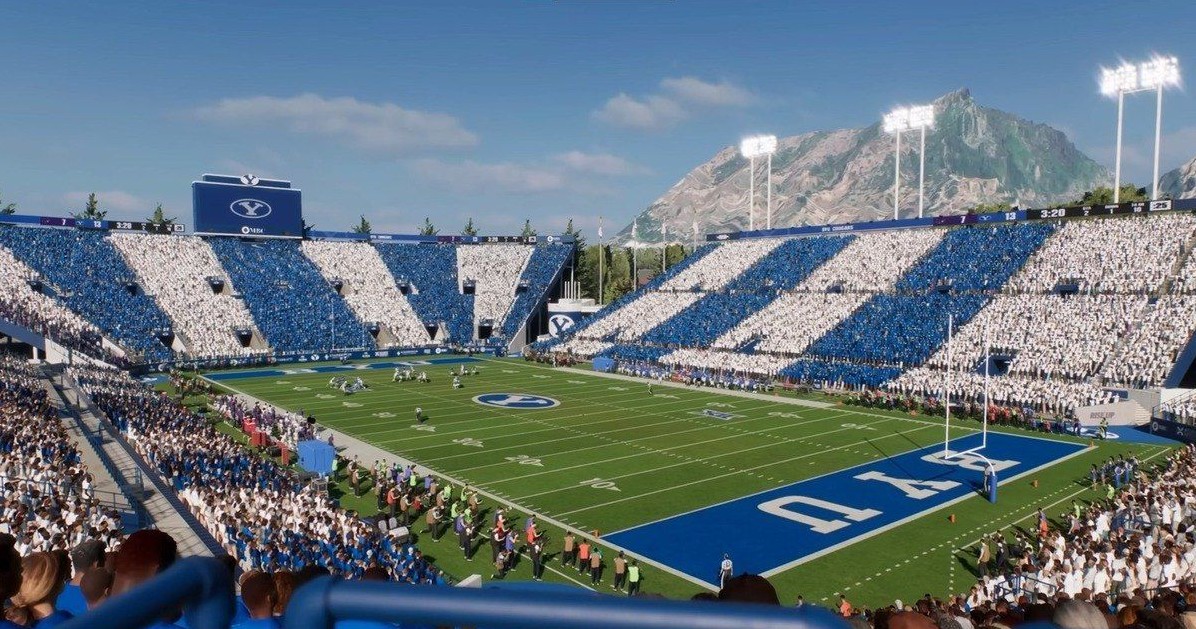
A winter football match carries a distinct emotional weight the moment supporters step through the turnstiles. The cold season transforms the normal stadium routine into something sharper, more memorable, and rich with sensory detail. The air feels different, the crowd bonds more tightly, and the field itself demands an entirely new level of respect. When supporters gather under floodlights on a frosty night, the stadium becomes a place where shared endurance fuels collective excitement. The unique charm of the winter football stadium atmosphere lies in how every element—weather, sound, apparel, and player performance—interacts to create a setting that cannot be replicated in any other season.
How Cold Weather Shapes the Stadium Experience
Cold temperatures play a central role in reshaping what matchday feels like. When the wind cuts through open stands and breath becomes visible in the air, the environment gains a distinct texture. The energy of the match does not just come from the pitch; it comes from how people physically respond to the chill. Fans brace against the cold, tighten their scarves, and share a sense of determination that becomes part of the spectacle. This seasonal shift affects posture, movement, anticipation, and even the way supporters talk among themselves as they wait for kickoff.
Temperature Drops and Matchday Atmosphere Changes
As temperatures dip, the atmosphere inside the stadium takes on a crisp intensity. Voices travel farther, chants seem to strike the air with more precision, and the collective sound of the crowd gains sharper definition. Cold air often enhances acoustic clarity, giving each chant a punchier feel. This shift influences how united the supporters seem, especially when they raise their voices in unison. The clothing fans choose—layered jackets, padded gloves, thick scarves—reflects both practical preparation and symbolic loyalty. Each piece becomes part of the visual fabric that defines winter matchday culture.
Winter Apparel and Fan Rituals in the Stands
Winter football requires fans to adapt their rituals, adjusting their matchday routines to guard against freezing temperatures. Supporters arrive earlier to find their spots, prepare warm beverages, and exchange nods of acknowledgment with fellow fans braving the conditions. Clothing becomes more than insulation; it becomes a badge of commitment. The stands turn into a vibrant collage of winter gear, where layers blend with team colors to express a shared sense of belonging.
Scarves, Layers, and the Iconic Winter Look
Among all winter accessories, scarves are perhaps the most iconic. They serve as both functional warmth and symbolic representation of identity. Whether knitted in club colors, decorated with slogans, or simply well-worn from years of use, scarves become extensions of fandom. Thick layers, windproof jackets, and team-branded beanies complete the winter matchday silhouette. These elements encourage subtle camaraderie, as supporters recognize their shared dedication through the attire they rely on.
The Sound of Winter: How Echo, Drums, and Chants Feel Different
Winter acoustics give the stadium a distinct auditory personality. Sound behaves differently in the cold, allowing chants to build and travel with unusual clarity. Supporters notice their voices bouncing off seats, railings, and structures with greater resonance. Drums sound deeper, claps feel tighter, and the combined noise carries a crisp edge that enhances the overall atmosphere. This auditory shift becomes a defining feature of winter matchdays.
Why Winter Air Makes Chants More Intense
Cold air often creates conditions where sound waves travel more efficiently, resulting in chants that feel vibrant and forceful. This sharpness affects how fans coordinate their rhythms, how drummers time their beats, and how quickly a chant spreads across the stand. The players on the pitch feel this intensity as well, sensing the heightened energy radiating from the terraces. The atmosphere becomes a dialogue between supporters and athletes, shaped by the season’s conditions.
Pitch Conditions and Player Performance in Winter
Winter weather alters not just the experience in the stands but also the nature of the game itself. The condition of the pitch can shift dramatically depending on temperature, precipitation, and maintenance. These variables force players to adapt their style, adjusting speed, control, and tactical decision-making. Winter football is often grittier, more physical, and more demanding on both technique and resilience.
Frozen Ground, Slippery Turf, and Their Impact on Match Intensity
A frozen pitch can create unpredictable ball behavior, challenging even the most experienced players. Slippery surfaces test balance, acceleration, and timing, while heavy snow or frost slows the pace in unexpected ways. These conditions lead to matches filled with dramatic moments: sliding tackles, rapid transitions, and sudden bursts of chaos when the ball takes an awkward bounce. This unpredictability deepens the excitement for supporters who appreciate the raw, unfiltered nature of winter football.
Fan Commitment and Stadium Attendance in Winter Months
Winter attendance offers insight into the passion levels of a team’s supporter base. The colder the weather, the more meaningful each occupied seat becomes. Supporters who continue to show up despite harsh conditions represent the sport’s most loyal core. Their presence reinforces the sense of community and tradition that surrounds winter football culture.
Why Cold Weather Brings Out the Most Passionate Fans
Supporters who brave low temperatures exemplify deep commitment. They come prepared, knowing the challenges, yet choosing to be part of the event anyway. Their passion elevates the matchday energy, inspiring newcomers and reinforcing generational traditions. These fans become the heart of winter stadium culture, contributing to the identity of the club and the memories formed during the coldest months.
Winter-Friendly Services and Stadium Facilities
Modern stadiums have adapted to winter demands by enhancing comfort and accessibility. These improvements help fans remain engaged throughout the match, ensuring a balance between the harsh environment and enjoyable viewing conditions. Facilities cater to both convenience and warmth, allowing supporters to manage the cold without sacrificing the experience.
Hot Drinks, Heating Areas, and Warm Zones
Many stadiums now offer warm zones, heated lounges, and designated rest areas to help fans recover from the cold. Hot beverages such as tea, cocoa, and specialty coffees become essential companions to the match. These offerings complement outdoor seating, giving supporters flexible ways to stay comfortable while remaining connected to the live atmosphere.
When Staying Home Feels Cozier — Winter Live Match Alternatives
Even as stadiums provide enhanced comfort, some fans choose to watch winter matches from home where warmth and convenience take priority. High-quality streaming and broadcast options deliver the action directly to living rooms, making the home-viewing experience increasingly appealing. For those unable to attend in person, watching a match through ดูบอลสด 7m with goaldaddy can replicate some of the excitement while offering total comfort.
Why Winter Stadium Atmosphere Remains Unforgettable
Despite the appeal of staying warm indoors, the winter stadium atmosphere remains an irreplaceable experience. Every aspect—the cold air, the steam rising from cups, the echo of chants, the unpredictable pitch, the layered apparel, and the fierce loyalty of fans—converges into a spectacle unlike any other season. Winter football demands commitment, and that commitment shapes memories that endure long after the final whistle. Supporters leave the stadium knowing they shared something rare: a moment where environment and emotion fused into pure sporting magic.