
Football’s heading for something massivewith the FIFA World Cup 2026. For the first time, 48 teams will line up at a World Cup. That’s up from 32. Big shift. Bigger headaches for managers. And it’s not happening in one country—it’s spread across three: the United States, Canada and Mexico. That’s a lot of ground to cover, a lot of planning, and plenty of chances for things to go wrong if people don’t get their act together.
This isn’t some shiny marketing stunt. With more spots up for grabs, there’s space now for countries who used to sit home and watch. Some of them are making the most of it. Teams you’d never expect to be in the mix are turning up, fighting for places, winning games. It’s good for the game, no doubt. It means the old regulars can’t coast. No more half-jogging through qualifiers thinking their name alone gets them in. That’s over.
You look back and realise: 32 teams used to control the rhythm of this tournament. Now, that rhythm’s gone. It’s a different tempo altogether. Players will be stretched. Coaches will be tested. There are more matches, more cities, more chances to slip up. It’ll reward squads that are deep, well-drilled and switched on from the first whistle.

There’s another layer to this too. Countries are pouring money into stadiums and infrastructure because this thing’s bigger than sport now. It’s political, it’s commercial, it’s a global parade. Everyone wants a slice of it. Some are using the tournament to show off, to brand themselves on the world stage—much like how platforms in the live casino industry compete for global attention. That’s the game now. The World Cup isn’t just about football anymore—it’s business, image, and influence rolled into one.
Hosts, Format, and Schedule
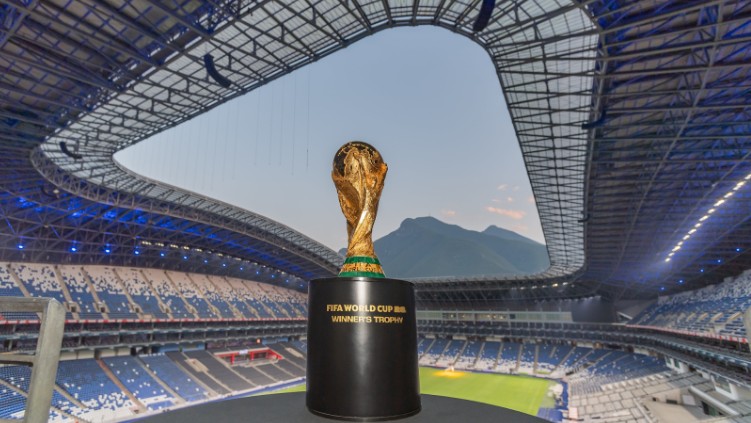
This edition will be the first time three countries share hosting duties. The United States leads with eleven cities, Canada contributes two, and Mexico three—totaling sixteen host cities. These include iconic venues like Estadio Azteca in Mexico City, BMO Field in Toronto, Levi’s Stadium in Santa Clara and MetLife Stadium in New Jersey.
Some venues carry deep symbolism. Estadio Azteca will make history as the first stadium to host matches in three different World Cups. Meanwhile, Estadio Azteca шт Mexico-City, —with over 80,000 seats—is likely to host the tournament’s opening game. SoFi Stadium in Los Angeles, known more for Super Bowl glamor than global football, enters the stage too—signaling how football is integrating deeper into the U.S. sporting mainstream.
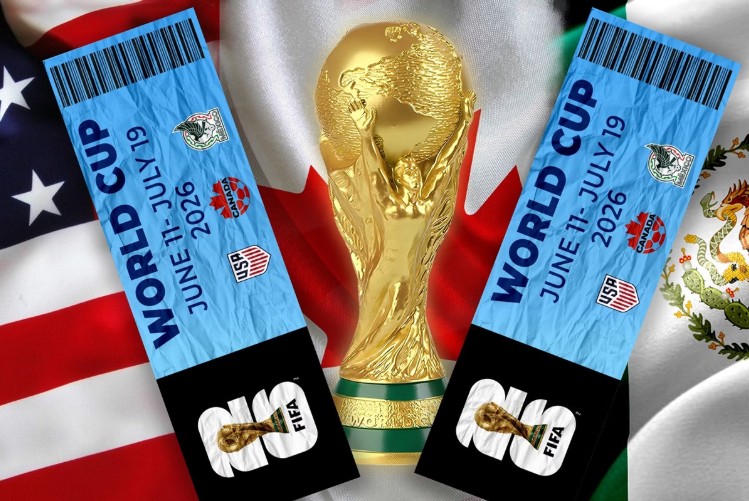
Tournament format has also changed. There will be 12 groups of four. The top two teams in each group will advance, plus the eight best third‑placed sides. That yields a round‑of‑32 knockout stage, then the usual single‑elimination path to the final. A total of 104 matches will be played across the event. The journey begins on June 11, 2026 and ends with the final on July 19 2026 at MetLife Stadium near New York City.
This revised structure has prompted some debate. With more matches, player fatigue and team rotation strategies become critical factors. There are also logistical challenges: teams may face long cross‑country flights between group matches, especially in the U.S., where cities like Seattle and Miami are thousands of kilometers apart. But despite those concerns, the new format promises more chances for upsets, more drama in group stages, and fresh tactical complexity.
Qualifiers Roundup: Road to the World Cup
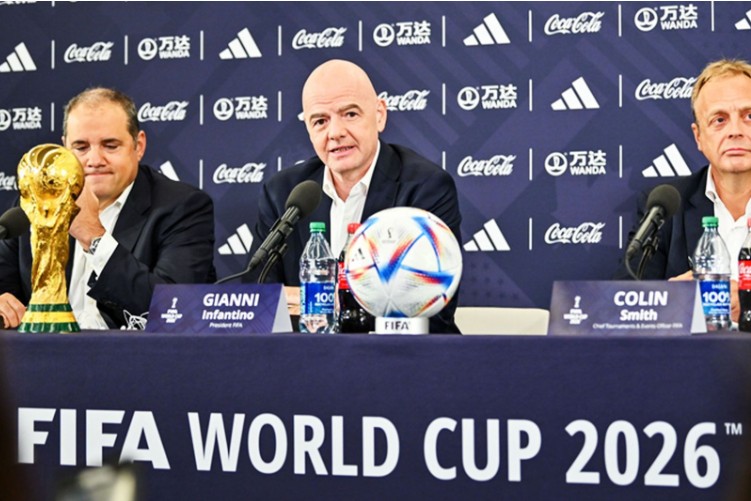
Qualifying for the 2026 World Cup began in September 2023 and wraps up in March 2026. Out of 206 nations, only 45 will make it. The hosts—USA, Canada, and Mexico—are already through. Everyone else is in the grind.
Each confederation does it their way. South America’s got a no-nonsense format: ten teams, home and away. Top six qualify, seventh gets one last chance in the playoff. Europe? Sixteen places, too many big names, and no room for slip-ups.
Asia has eight direct slots and a playoff spot. Japan, Iran, South Korea—they’ve handled business. Africa’s been fierce. Morocco leads for now, but Senegal, Egypt, Nigeria, and a few surprises like Mali and Cape Verde are right behind.
North America gets three extra slots besides the hosts, and Oceania finally has one guaranteed place—New Zealand’s already in. The rest? Still scrapping.
By mid-2025, the picture’s getting clearer. Hosts are in, so are Argentina, Brazil, Japan, Iran, South Korea, Australia, Uzbekistan, New Zealand, Ecuador. Plenty still to fight for.
Some old names are struggling, and a few fresh sides are rising. No room for ego. If you’re serious about 2026, you’ve got to earn it. Simple as that.
Sample FIFA world cup 2026 qualifiers table snapshot
|
Confederation |
Slots |
Qualified so far |
Format summary |
|
CONMEBOL |
6 + 1 playoff |
Argentina, Brazil, Ecuador |
|
|
CAF |
9 + 1 playoff |
– |
Nine groups; group winners advance |
|
AFC |
8 + 1 playoff |
Japan, Iran, South Korea, Uzbekistan, Australia, Jordan |
Group stages followed by final round |
|
CONCACAF |
6 total (3 hosts + 3) + 2 playoff |
Canada, Mexico, USA (hosts) |
Multi‑round qualifiers starting 2024 |
Teams to Watch & Emerging Storylines
With the next FIFA World Cup 2026 drawing closer, attention shifts to the teams that have already made it and those still battling through intense qualifiers. This expanded tournament isn’t just about numbers—it’s about new possibilities, first-time appearances, and nations eager to make a lasting mark on the world stage.
The list of early qualifiers includes traditional heavyweights and rising regional powers, while outside the spotlight, underdogs are building momentum. From breakout performances in Asia to tight races in Europe and Africa, storylines are unfolding fast. Below, we break down the most talked-about teams and the potential dark horses to watch as the road to 2026 heats up.
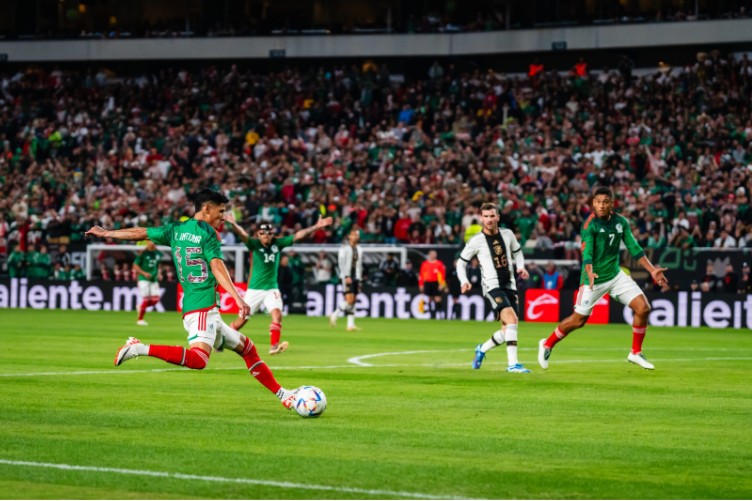
The excitement isn’t just tied to names. It’s rooted in how these teams reached this stage. South Korea’s injury‑time goal against Iraq sealed their spot. Jordan’s tactical discipline outclassed stronger squads. Ecuador quietly assembled one of the youngest squads in CONMEBOL and delivered consistent results. Even Canada—though qualified automatically—is fielding a next-gen roster that impressed at Copa América 2024 with high‑tempo, fearless play.
Meanwhile, veteran sides like Argentina and Brazil remain powerful, but not untouchable. Brazil’s stumble against Paraguay revealed cracks in their defense. Argentina’s midfield adapts with Messi’s potential career end nearing, yet their leadership remains strong under De Paul and Mac Allister.
Top teams already qualified
- United States (host nation)
- Mexico (host nation)
- Canada (host nation)
- Argentina (South American champions)
- Brazil (easy top‑six finish in CONMEBOL)
- Japan, Iran, South Korea, Uzbekistan, Australia, Jordan (qualified via AFC and OFC)
Emerging contenders and dark horses
- African group winners or runners‑up poised to earn spots in the expanded World Cup lineup
- European nations locked in tight qualification groups—England, Serbia, Wales among those battling for UEFA slots
- Teams like New Zealand already through, while OFC runners‑up will contest inter‑confederation playoff
These matchups and evolving qualification battles set the stage for unexpected stories — debut appearances and breakthrough runs that define the spirit of the next FIFA World Cup 2026.
Quote Highlight
“This edition will be the largest and most inclusive single‑sport tournament,” announced FIFA president Gianni Infantino as the format and enlarged team list were unveiled. He further described the event as the equivalent of 104 Super Bowls in terms of global reach and spectacle. Infantino emphasised that with 48 teams and matches across three nations the 2026 competition is a milestone in unity and scale.
This statement quickly echoed across the international media and football community. For many, it reflects not just the ambition behind the event but the reality of its influence. Never before has a single tournament engaged so many cities, languages, and cultures at once. The phrase “largest and most inclusive” became a tagline that framed the World Cup as a global celebration, far beyond just a sporting tournament.
His remarks also sparked debate. Some welcomed the inclusive tone and expanded stage. Others warned of possible logistical overload, diluted group stages, or fatigue among players. Still, few denied that the World Cup 2026 marks a turning point in scale and ambition. Infantino’s words captured that moment.
Economic and Cultural Impact
Host regions are preparing for a major economic surge. In the United States, overall output tied to FIFA World Cup 2026 could reach approximately 30 billion dollars, while Canada may see nearly 3 billion in related economic activity. Combined economic gains across the three host nations are projected to approach 80 billion.
This scale is unprecedented in football history. The last World Cup held in the United States in 1994 boosted the sport’s visibility domestically. But 2026 goes beyond visibility—it invites economic transformation. Cities like Houston expect to gain over 1.5 billion from hosting duties. New York and New Jersey, which will host the final, are preparing for a tourism wave that could inject over 3 billion into the local economy.
Local governments and tourism boards have responded with infrastructure investments, transportation planning, and dedicated fan zones. Small businesses—restaurants, hotels, transport operators—stand to benefit from the flood of visitors. In cities like Atlanta and San Francisco, renovations to transit hubs and entertainment districts are underway to accommodate the expected influx.
The cultural dimension of the event is just as important. This will be the first World Cup ever hosted in Canada and the third in Mexico. In both countries, the tournament serves as a platform for cultural diplomacy. Public art installations, food festivals, and street-level music performances are planned in host cities to showcase national identities.
Cultural programs planned by selected host cities
– Toronto: public fan village with nightly concerts and multilingual commentary hubs
– Mexico City: art exhibitions highlighting indigenous and colonial football history
– Miami: Caribbean and Latin American food fairs in stadium zones
– Seattle: tech-enabled stadium tours in multiple languages
– Vancouver: Indigenous Nations-led opening ceremonies at BC Place
With over six million fans expected in stadiums alone, and hundreds of millions more engaging remotely, the FIFA World Cup 2026 will become a cultural beacon as much as an economic one.
Conclusion
FIFA World Cup 2026 will redefine the global football stage. The newfound scale of 48 teams, across 16 cities in three countries, turns it into a true festival of the sport. Qualifiers and the wide-reaching qualifiers table shape diverse narratives—from early certainties to dramatic final play‑offs—and set the tone for what’s to come.
This World Cup signals change. It welcomes new nations, amplifies fan experiences and elevates football’s inclusiveness. As qualifiers wrap by early 2026 and the draw is announced in December 2025, anticipation will build steadily toward June 11 kickoff and eventual final on July 19.
Beyond football itself, the tournament stands as a mirror to a changing world. It highlights how sport blends with commerce, identity, media, and movement across borders. Nations large and small see it not only as a competition—but as a chance to broadcast who they are.
From the deep-rooted rivalries to the emotional debut moments, this edition promises more stories, more players with something to prove, and more fans with something to celebrate. The next FIFA World Cup 2026 won’t just crown a champion—it will redefine what the world’s game can be.
FAQ
1. What’s the deal with the new World Cup format in 2026?
It’s 48 teams this time, not 32. They’ve split them into 12 groups of four. The top two in each group go through, along with the eight best third-place finishers. That gives us 32 teams for the knockouts. More games, more travel, more pressure—players will need depth and proper rotation.
2. Who’s hosting this one?
Three countries are sharing it: the United States, Canada, and Mexico. Sixteen cities are in the mix. From Toronto to Los Angeles to Mexico City, the scale’s massive. It’s North America’s show now.
3. How do teams get in, and what’s this qualifiers table everyone talks about?
Forty-five nations have to earn their spots through qualifiers. The hosts—USA, Canada, and Mexico—are already in. The rest fight it out across six confederations. Each region has its own setup. Some have round robins, others use multi-stage groups. The qualifiers table tracks who’s on top, who’s slipping, and who’s clinging to playoff hopes.
4. When did all this qualifying madness start, and when does the tournament actually kick off?
Qualifying started back in late 2023 and wraps up by March 2026. The tournament proper kicks off on June 11 and runs through July 19, 2026. That’s a full summer of football—unless your squad crashes out early, of course.
5. Who’s already booked a spot?
The three hosts are in, obviously. Then you’ve got Argentina, Brazil, Japan, South Korea, Iran, Australia, Uzbekistan, New Zealand, Jordan, and Ecuador. These sides handled their business early. Some made it look easier than others.
6. Who’s on the edge—teams worth keeping an eye on?
In Africa, things are tense. Morocco, Senegal, Egypt—strong sides, but they’ve got company from less familiar names who aren’t afraid of a fight. Over in Europe, England haven’t sealed it yet. Serbia and Wales are right there too. Could go either way. It’s tight.
7. Where’s the final happening? And which stadiums actually matter?
MetLife Stadium in New Jersey gets the final. It’s a big NFL venue—not exactly the Maracanã, but it’ll do. Other key spots: Levi’s Stadium out west, NRG in Houston, SoFi in LA, BMO Field in Toronto. If your team’s decent, you’ll be seeing a few of them.